

One of the biggest misconceptions musicians have about recording is that the magic happens when the microphones get turned on.
In reality, some of the most important work happens before a single note is recorded.
At Mountain City Recording Studio, we’ve worked with talented musicians, experienced guitarists, seasoned bassists, and first-time recording artists. One thing we’ve learned is that preparation can make the difference between a smooth, productive session and a day spent chasing problems.
The truth is simple: your instrument is part of the recording chain. If it isn’t performing its best, neither will the recording.

Great Recordings Start With Great Instruments
When people think about a recording studio, they often picture microphones, mixing consoles, computers, and expensive gear. Those things matter, but none of them can compensate for an instrument that isn’t ready for the session.
A guitar with worn strings may struggle to stay in tune.
A bass with a weak battery may produce inconsistent output.
A drum kit with old heads may sound lifeless no matter how good the microphones are.
A loose cable can introduce noise.
A dirty fretboard can make an instrument feel harder to play.
These may seem like small issues, but in a recording environment, small issues have a way of becoming very noticeable.
The goal isn’t perfection. The goal is removing obstacles so the musician can focus entirely on the performance.
Why Guitarists Should Prepare Before Recording
As any guitarist knows, an instrument can slowly drift out of optimal condition without you realizing it.
Strings age gradually.
Frets accumulate dirt and oxidation.
Fretboards dry out.
Hardware loosens.
Because these changes happen over time, many players simply adapt to them.
Then they arrive at a recording session and discover that the microphones are hearing everything.
Fresh strings are usually a good starting point. They provide better tuning stability, better sustain, and more clarity. However, strings are only one piece of the puzzle.
Before entering a music studio, we recommend checking:
- String condition
- Neck relief
- Action height
- Intonation
- Fret condition
- Electronics
- Output jack security
A properly maintained instrument not only sounds better, it feels better. When a guitar feels comfortable and responsive, players naturally perform with greater confidence.
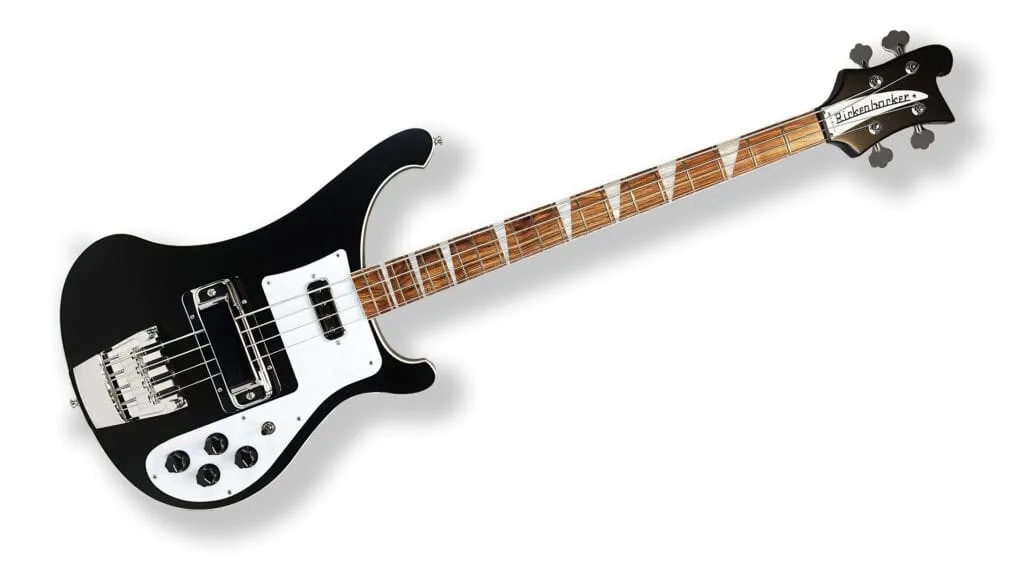
Bassists Face Similar Challenges
The bassist often serves as the foundation of a song. If the bass performance isn’t solid, the entire track can suffer.
Unfortunately, basses are not immune to maintenance issues.
Many modern basses use active electronics powered by batteries. Weak batteries can create output problems that may not become obvious until the session begins.
We’ve seen musicians spend valuable recording time troubleshooting problems that could have been prevented with a quick battery replacement before arriving.
That’s one reason we’re fans of using the best rechargeable batteries available. Rechargeable solutions like Pale Blue batteries provide a reliable, cost-effective option for active instruments, wireless systems, tuners, and other equipment musicians depend on every day.
Companies like Ernie Ball have embraced rechargeable battery technology because reliability matters both on stage and in the studio.
Frets, Fretboards, and Playability
One area that often gets overlooked is fret and fretboard maintenance.
A dirty or oxidized fret can affect the feel of an instrument more than many musicians realize.
String bends may feel rough.
Vibrato can become less smooth.
Tuning stability can suffer.
Likewise, a dry fretboard can create issues ranging from poor feel to fret sprout, where the wood shrinks and fret ends become exposed.
Regular cleaning, conditioning, and fret polishing help keep an instrument playing the way it was designed to play.
Many musicians are surprised by how much easier their instrument feels after basic maintenance.
Why Some Recording Studios Offer In-House Preparation
There is a reason many professional recording studios offer setup and maintenance services.
We’ve seen firsthand how quickly technical problems can interrupt creativity.
Imagine spending the first hour of your session changing strings, replacing batteries, tightening hardware, or diagnosing signal issues.
Now imagine walking into the studio knowing everything is already handled.
That’s why many studios, including Mountain City Recording Studio, offer instrument preparation services.
Depending on the instrument, this may include:
- String replacement
- Basic setups
- Fret cleaning and polishing
- Fretboard conditioning
- Battery replacement
- Cable testing
- Hardware inspection
- Drum tuning and head replacement
The purpose isn’t to sell additional services.
The purpose is to help musicians get the most out of their session.
Better Preparation Leads to Better Performances
One of the benefits people rarely talk about is confidence.
When your guitar stays in tune, you play differently.
When your bass electronics work flawlessly, you play differently.
When your equipment simply works, your focus stays where it belongs—on the music.
Recording can already feel intimidating. The last thing a musician needs is to worry about whether their gear is going to cooperate.
A little preparation removes that uncertainty.
Our Philosophy at Mountain City Recording Studio
At Mountain City Recording Studio, we believe recording sessions should be spent making music, not solving preventable problems.
That’s why we encourage musicians to prepare their instruments before they arrive, and it’s why we offer in-house preparation services when needed.
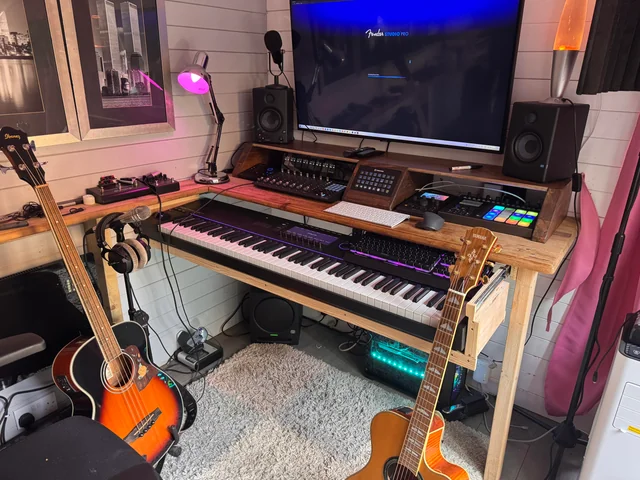
Whether you’re a guitarist tracking an acoustic album, a bassist laying down foundational grooves, or a full band preparing for a major project, a well-maintained instrument gives you the best chance to capture a great performance.
The microphones, preamps, and software all play an important role. But at the end of the day, the recording starts with the musician and the instrument in their hands.
Make sure both are ready when the red light comes on.
0 Comments